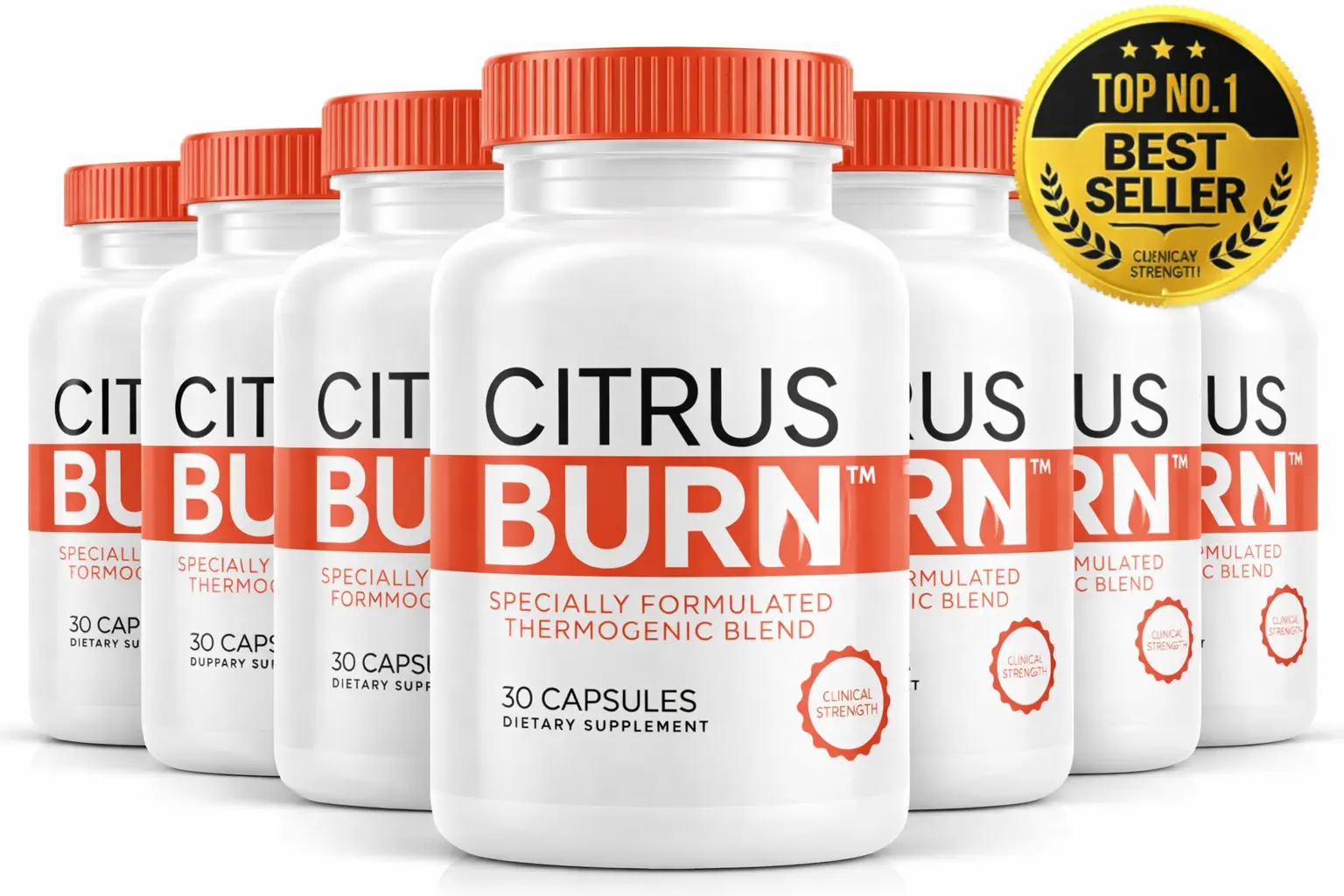
 CitrusBurn
The CitrusBurn ingredients list contains seven botanicals: Seville orange peel, Spanish red apple vinegar, Andalusian red pepper, Himalayan mountain ginger, ceremonial green tea, berberine and Korean red ginseng. The product presents the last two together, which explains why you may see six ingredient groups even though the formula contains seven named ingredients. This guide explains the formula’s design and the label questions that matter before use.
Seville orange peel and the citrus focus
Seville orange peel contains p-synephrine, the compound that gives CitrusBurn its main thermogenic emphasis. Thermogenesis refers to the body’s production of heat while using energy. In product descriptions, that term connects the citrus ingredient to the broader goal of metabolic support. It is one part of energy expenditure, not a separate exemption from nutrition or activity.
The ingredient’s name is useful when checking other products in your routine. A different supplement may also contain bitter orange or p-synephrine, even when its packaging looks unrelated to CitrusBurn. Rather than considering each bottle in isolation, review the combination with a qualified professional if you use several supplements or medicines. The complete daily intake matters more than the prominence of one ingredient on a label.
Spanish red apple vinegar
Apple vinegar is included in the blend’s appetite and fullness positioning. Its role complements the citrus focus by addressing another practical part of weight management: how satisfied meals leave you and how manageable the period between them feels. The capsule format combines it with the other ingredients in one daily serving.
A vinegar ingredient in a capsule should not be treated as identical to a particular amount of liquid vinegar in a recipe or study. Form, concentration and serving size can differ. The useful information is the actual ingredient and quantity listed on the product you receive. Do not replace the capsule directions with a homemade vinegar routine or assume that using both automatically improves the result.
Andalusian red pepper
Red pepper is associated with capsaicin, a compound often discussed in relation to thermogenesis and energy expenditure. Within CitrusBurn, it adds a pepper-derived component to a blend that already includes citrus and green tea. This helps explain why the product’s ingredient story emphasizes several botanicals rather than a single extract.
The ingredient is also relevant to personal tolerance. Familiarity with spicy food does not tell you the concentration of a supplement, and a capsule is not the same experience as a meal seasoned with pepper. If you have an ingredient sensitivity or concern about digestive tolerance, raise it before starting. The label and product-support team are better references for the actual formula than assumptions based on a kitchen ingredient.
Himalayan mountain ginger
Ginger is included in CitrusBurn’s broader appetite and metabolic-support design. It is a widely recognizable botanical, which makes it easier to identify on an ingredient list, but its presence should still be evaluated as part of the complete capsule. A familiar ingredient can have a different role when concentrated or combined with other compounds.
For comparison shopping, note both the botanical name and any extract details printed on the current label. Those details help distinguish a supplement ingredient from a general reference to ginger in food. They also make a conversation with a pharmacist or clinician more useful if you need advice about combining the product with medication or an existing supplement routine.
Ceremonial green tea
Green tea supplies tea-derived plant compounds and contributes to the formula’s energy and fat-metabolism emphasis. It is one component of CitrusBurn’s seven-ingredient blend, rather than a beverage serving. This distinction matters because a cup of tea and a concentrated supplement ingredient are not interchangeable units for comparison.
Read the full label if caffeine sensitivity or another tea-related concern affects your decision. General marketing language about energy does not establish every compositional detail of the capsule. Product support can address formula questions, while a qualified professional can help interpret what those details mean for your health and other products you take. Avoid treating a broad product description as a personalized assessment.
Berberine and Korean red ginseng
Berberine and Korean red ginseng share one ingredient group in the product presentation, but they remain two distinct ingredients. Berberine contributes to the blend’s metabolic focus. Korean red ginseng contributes to its energy and vitality positioning. Recognizing them separately prevents a six-card layout from being mistaken for a six-ingredient formula.
These names are particularly useful when reviewing your existing supplements. A product marketed for a different purpose may already contain one of them. Bring the full ingredient list to any medication review rather than mentioning only that you are considering a citrus supplement. That gives the professional a clearer picture of the actual combination and helps avoid overlooking an ingredient hidden behind a broad product category.
Why ingredient quantities matter
The individual amounts of the seven botanicals are not verified in the product information summarized on this site. A list of names explains what the formula includes, but does not tell you how much of each ingredient is present. That limits exact comparisons with other products and prevents a direct match to the amounts used in ingredient research.
If precise dosing information is important to you, inspect the current Supplement Facts and ingredient panels or ask CitrusBurn product support before purchase. Do not infer a quantity from the size of a bottle, the number of ingredients or a claim on an unrelated review. The 30-capsule presentation describes the number of servings available at the stated directions, not the milligrams of each botanical.
Reading the complete label
Start with the serving instructions, then review the ingredient panel and any warnings. Include other ingredients and capsule information in that review, rather than focusing only on the seven promoted botanicals. Dietary preferences, allergies and medication questions may depend on details outside the headline ingredient list.
Keep the original bottle after opening so you can refer to it later. If you contact support, use the information printed on that bottle to describe your question accurately. A clear request about an ingredient name, serving direction or label detail is easier to answer than a general question about whether a supplement is good. Your own health professional can then help assess suitability using that product information.
From ingredient list to daily routine
The published directions call for one capsule daily with a full glass of water, ideally before breakfast. All seven ingredients are part of that serving; the product does not ask you to take one capsule for each botanical or coordinate separate ingredient doses. Follow the label on the bottle you receive and do not increase the amount to pursue faster results.
For a purchase decision, consider the formula alongside its format, price and your existing routine. CitrusBurn offers the convenience of several botanicals in one capsule, with two-, three- and six-bottle packages available. Once your ingredient questions are answered, the package comparison can help you choose the supply that fits your plans.
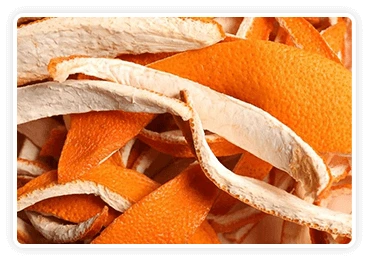
Seville orange peel
Seville orange peel supplies p-synephrine, the citrus compound at the center of CitrusBurn’s thermogenic focus. It gives the formula a recognizable starting point for metabolic support. The presence of this ingredient is a reason to review the full label, especially if you already use other metabolism-oriented supplements.
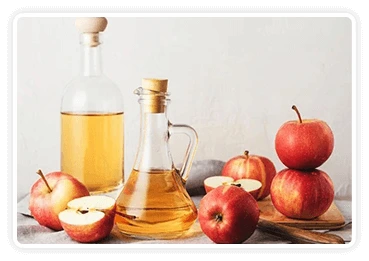
Spanish red apple vinegar
Apple vinegar is included for the formula’s emphasis on fullness and appetite balance. In the capsule blend, it sits alongside the thermogenic ingredients rather than requiring a separate vinegar drink. Its role is part of a broader daily approach to weight management, with regular meals remaining the foundation.
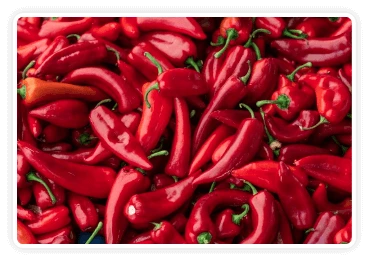
Andalusian red pepper
Red pepper is associated with capsaicin, a compound commonly discussed in relation to heat production and energy expenditure. CitrusBurn includes it within the botanical blend’s thermogenic design. It adds another ingredient perspective to the formula without requiring you to change the spice level of your meals.
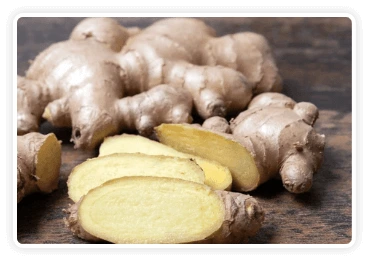
Himalayan mountain ginger
Ginger is a familiar botanical included in CitrusBurn’s appetite and metabolic-support approach. It brings a different ingredient tradition to a formula otherwise centered on citrus and thermogenesis. Read it as one component of the complete blend, rather than assuming that a familiar kitchen ingredient guarantees a particular supplement response.
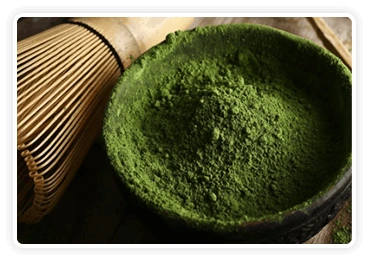
Ceremonial green tea
Green tea adds tea-derived plant compounds to the formula’s energy and fat-metabolism focus. In CitrusBurn it is one of seven ingredients, not a stand-alone tea beverage. The exact capsule composition matters when checking suitability, so use the product label to review the full formula before taking it.
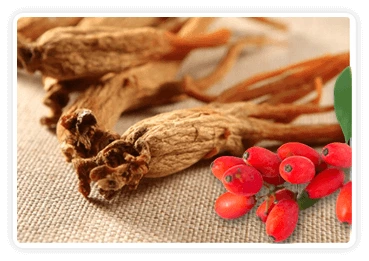
Berberine and Korean red ginseng
The final ingredient group brings together berberine and Korean red ginseng. Berberine contributes to the formula’s metabolic emphasis, while Korean red ginseng is associated with energy and vitality. They are two separate ingredients within one combined presentation, bringing the total ingredient count to seven rather than six.